
Susana A. Cortés
Clinical Supervision
Supervision focuses on strengthening assessment, case conceptualization, treatment planning, documentation, ethical decision-making, and evidence-based interventions while providing a collaborative space to discuss cases and professional challenges. My approach is trauma-informed, culturally responsive, and tailored to each supervisee's experience level, with a specialization in supporting practitioners working in school settings. This helps ASWs build confidence, deepen their effectiveness in school-based practice, and successfully meet California Board of Behavioral Sciences (BBS) supervision requirements on the path to becoming a Licensed Clinical Social Worker (LCSW).
I offer secure, online clinical supervision throughout California, designed to support busy professionals with flexible, accessible, and confidential sessions that meet state licensure requirements.
Clinical supervision is designed to support Associate Clinical Social Workers (ASWs) in developing strong, confident, and effective practice while working toward licensure. A key focus of supervision is helping clinicians translate theory into real-world practice, with support in implementing evidence-based approaches that are effective with adolescents and young adults in both school-based and community settings.
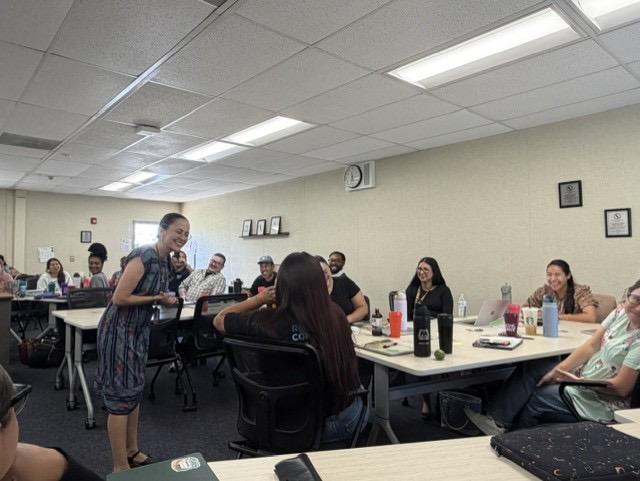
Supervision focuses on strengthening assessment, case conceptualization, treatment planning, documentation, ethical decision-making, and evidence-based interventions while providing a collaborative space to discuss cases and professional challenges.
This includes guidance in Cognitive Behavioral Therapy (CBT), one of the most widely used and effective approaches, which helps clients understand the connection between thoughts, feelings, and behaviors while building practical skills for managing anxiety, depression, stress, and negative thinking patterns. Supervision also supports the use of Motivational Interviewing (MI), a collaborative and nonjudgmental approach particularly effective with adolescents and young adults who may feel ambivalent about change, helping them explore their own motivations and goals in a meaningful way.
In addition, supervision emphasizes attachment-based and family therapy approaches, which are especially important when working with family conflict, communication challenges, or relational trauma. These models focus on strengthening relationships, improving communication, and building supportive systems around the client. Supervisees are also supported in using person-centered and strengths-based approaches, which create a safe and trusting therapeutic environment that fosters identity development, self-esteem, autonomy, and resilience.
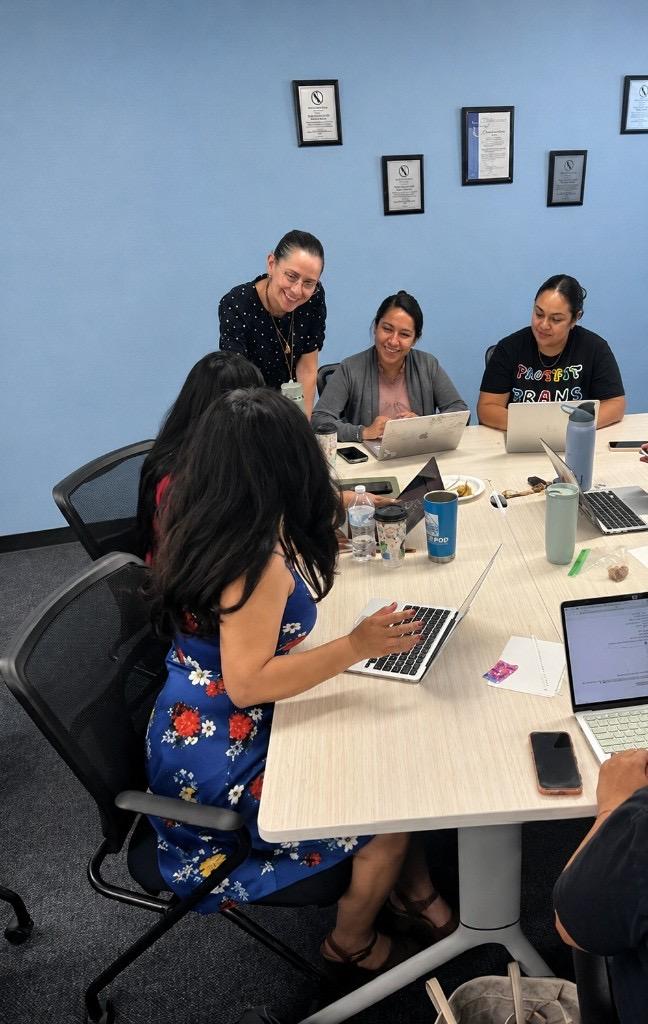
Overall, supervision integrates these modalities in a way that is practical, developmentally appropriate, and culturally responsive, helping ASWs build a flexible and effective clinical toolkit they can confidently apply across diverse youth-serving settings.
Interested in clinical supervision?
Share your goals, setting, and timeline — we can explore fit in a brief consultation.
Contact Susana